Skardu Tour Packages
Nestled at the breathtaking confluence of the Indus and Shyok Rivers, Skardu Valley is a true paradise for nature lovers and adventure seekers. Home to the majestic K2—the world’s second-highest peak—Skardu offers a perfect blend of awe-inspiring landscapes, rich cultural heritage, and unforgettable experiences.
From crystal-clear lakes and towering mountains to thrilling trekking routes and serene valleys, Skardu promises adventures that stay with you for a lifetime. Whether you’re seeking peaceful escapes or adrenaline-filled journeys, this destination has something for every traveler.
Welcoming visitors from across Pakistan and around the globe, Skardu continues to captivate hearts with its untouched beauty. Our expertly crafted Skardu Tour Packages designed to provide you with a seamless, comfortable, and truly memorable travel experience—combining luxury, convenience, and adventure in one perfect journey.
Skardu Tour Packages 2026
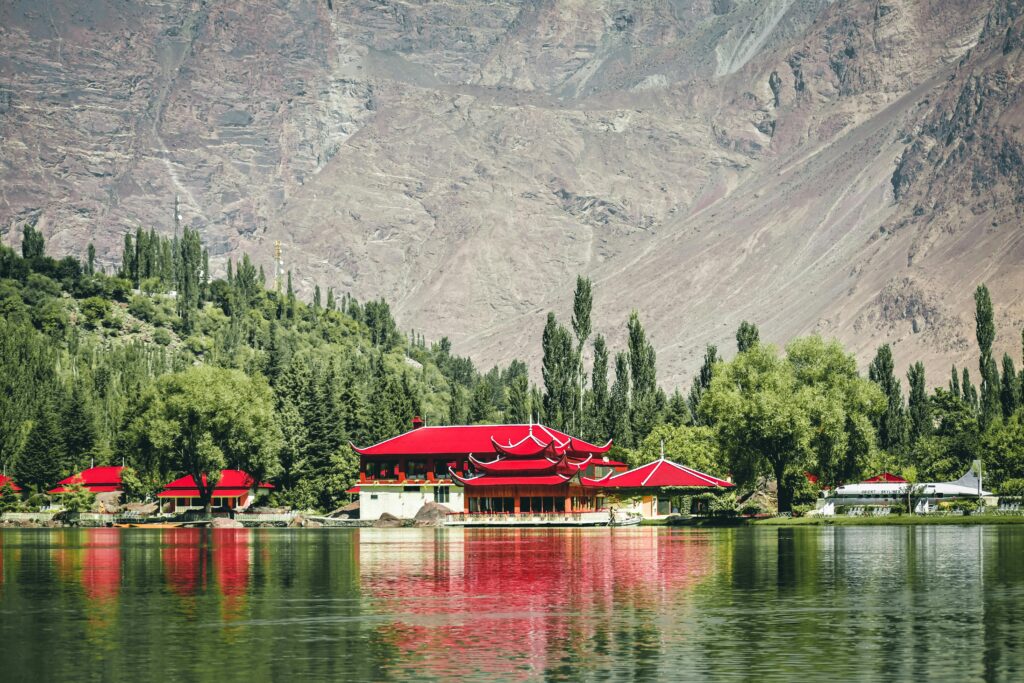
Skardu + Hunza 8 Day’s Tour 2026
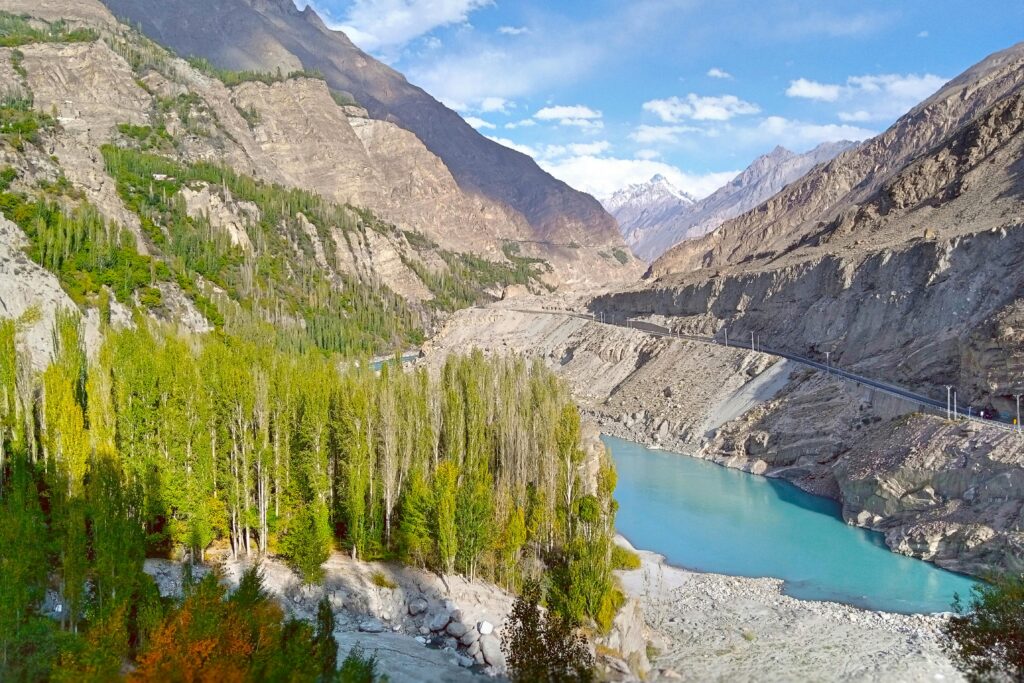
Skardu 6 Day’s Valley Tour 2026
Client Category of Customized Skardu Pakistan Tours:
. Skardu Couple / Honeymoon Tour Packages are designed to help the newlyweds cherish the new life together with all the luxury and solitude, surrounded by the beautiful nature.
. Skardu Family Tour Packages are designed to ensure a fun, luxurious, and secure environment for your loved ones to intensify the blood bond and acquire memories for a lifetime.
.Skardu Students / Friends Group Tour Packages are designed to have all the fun, engaging activities and games for laughing together, dancing together, and, more importantly, exploring the adventurous destinations together without the hassle of planning all the bits of the tour. You only have to decide what to pack for that memorable tour with your besties.
. Skardu Corporate Groups Tour Packages are designed to create an environment for the employees to develop a closer connection with each other, enhance their potential for team building, and entertain themselves with nature outside their usual office environment.
We have :
. Skardu Tours Packages from Lahore
. Skardu Tours Packages from Karachi
. Skardu Tours Packages from Islamabad
You can also customize these tours from other cities in Pakistan.
GILGIT ( Hunza & Skardu )
Day 1 – Departure
(Lahore → Chilas)
- Departure from Lahore (via Motorway)
- Travel through Hazara Motorway & Karakoram Highway
- Short stops for refreshments & sightseeing
- Overnight stay in Chilas
Day 2 –
Chilas → Skardu
- Breakfast & departure for Skardu
- Scenic drive along Indus River
- Arrival in Skardu & hotel check-in
- Visit Skardu Bazaar (optional)
- Overnight stay in Skardu
Day 3 –
Explore Skardu
- Visit Shangrila Resort & Lower Kachura Lake
- Explore Upper Kachura Lake
- Visit Kharpocho Fort (short hike)
- Free time in Skardu City
- Overnight stay in Skardu
Day 4 –
Skardu → Hunza
- Early departure for Hunza Valley
- Travel via Karakoram Highway
- Stops at scenic viewpoints
- Arrival in Hunza (Karimabad) & hotel check-in
- Overnight stay in Hunza
Day 5 –
Explore Hunza Valley
- Visit Baltit Fort & Altit Fort
- Explore Karimabad & local بازار
- Visit Eagle’s Nest for sunset views
- Overnight stay in Hunza
Day 6 –
Khunjerab Pass & Passu
- Visit Attabad Lake (boating optional)
- Explore Hussaini Suspension Bridge
- Visit Passu Cones
- Drive to Khunjerab Pass (China Border)
- Return to Hunza & overnight stay
Day 7 –
Hunza → Naran / Chilas
- Breakfast & departure
- Travel back via Babusar Top (if open)
- Scenic stops along the way
- Overnight stay in Naran or Chilas
Day 8 –
Return to Lahore
- Breakfast & departure
- Travel back to Lahore
- Arrival in evening/night with unforgettable memories
Day 1 – Departure
(Lahore → Chilas)
- Departure from Lahore (via Motorway)
- Travel through Hazara Motorway & Karakoram Highway
- Short stops for refreshments & sightseeing
- Overnight stay in Chilas
Day 2 –
Chilas → Skardu
- Breakfast & departure for Skardu
- Scenic drive along Indus River
- Arrival in Skardu & hotel check-in
- Visit Skardu Bazaar (optional)
- Overnight stay in Skardu
Day 3 –
Explore Skardu
- Visit Shangrila Resort & Lower Kachura Lake
- Explore Upper Kachura Lake
- Visit Kharpocho Fort (short hike)
- Free time in Skardu City
- Overnight stay in Skardu
Day 4 –
Skardu → Hunza
- Early departure for Hunza Valley
- Travel via Karakoram Highway
- Stops at scenic viewpoints
- Arrival in Hunza (Karimabad) & hotel check-in
- Overnight stay in Hunza
Day 5 –
Explore Hunza Valley
- Visit Baltit Fort & Altit Fort
- Explore Karimabad & local بازار
- Visit Eagle’s Nest for sunset views
- Overnight stay in Hunza
Day 6 –
Khunjerab Pass & Passu
- Visit Attabad Lake (boating optional)
- Explore Hussaini Suspension Bridge
- Visit Passu Cones
- Drive to Khunjerab Pass (China Border)
- Return to Hunza & overnight stay
Day 7 –
Hunza → Naran / Chilas
- Breakfast & departure
- Travel back via Babusar Top (if open)
- Scenic stops along the way
- Overnight stay in Naran or Chilas
Day 8 –
Return to Lahore
- Breakfast & departure
- Travel back to Lahore
- Arrival in evening/night with unforgettable memories
Most Popular Destinations and Attractions to Visit in Skardu Valley:
Skardu is a big city in the Gilgit-Balitistan province of Pakistan. Several beautiful valleys, historical locations, lakes, mountain passes, waterfalls, and glaciers in Skardu Valley are visited from the city of Skardu. Some famous tourist places to visit in Skardu Valley are:
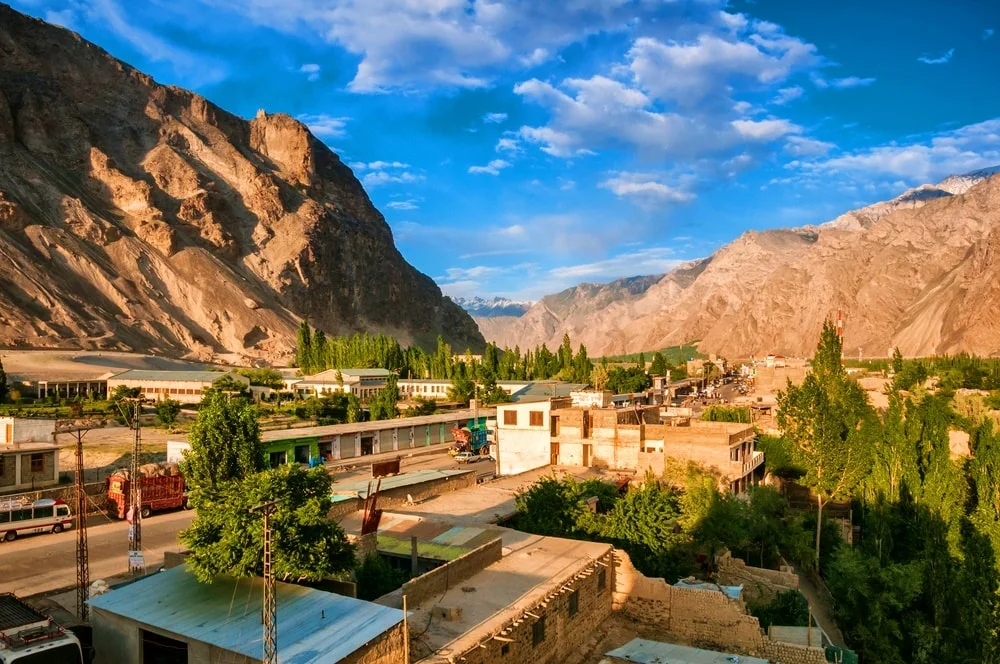
Skardu City
Skardu City, the capital of Skardu District, is located in Gilgit Baltistan province of Pakistan. Skardu was an ancient city with traces of Tibetan, Maqpon, Dogra, Mughal, and British rule until it fell into the democratic land of Pakistan. People here speak Balti, English and Urdu languages. Skardu is located where the Shigar River falls in the mighty Indus River. It is a famous tourist destination in Pakistan. Millions of local and international tourists turn to Skardu annually.
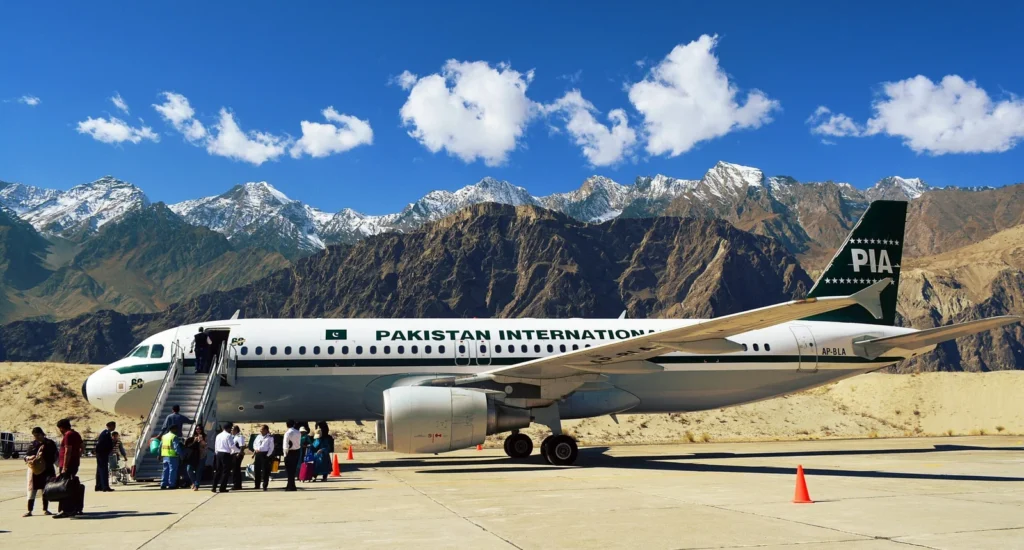
Skardu International Airport
Skardu Airport is located a few kilometres from the Skardu City. It is one of the most scenic airports in the world. You will fall in love with Skardu as soon as you get the first glance of it. Skardu offers domestic and international flights for the tourists. Direct domestic flights from Lahore, Karachi, and Islamabad are operational, and direct international flights from Dubai are available. It is excellent news for the readers that you can directly land in the Skardu. Right now, AirBlue and Pakistan International Airlines offer flights to Skardu.
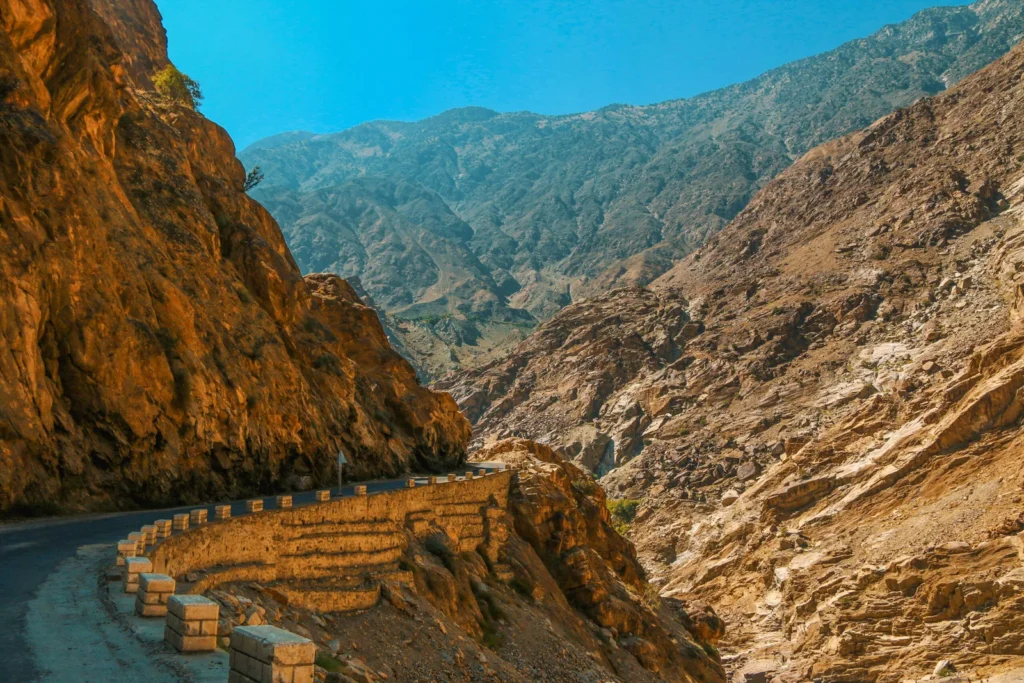
Skardu Highway (JSR)
Jaglot-Skardu Road or Skardu Highway (also S-1 Highway) provides the link between Karakoram Highway and Skardu. It is a 167 km long highway, which starts from the Jaglot town on KKH till the Skardu City. This highway faces numerous landslides and gets blocked for clearance and renovation. This highway holds enormous significance for tourism in the region. It is also essential to the locals as they use it to supply goods to the people of Skardu and surrounding areas.
Deosai Plains
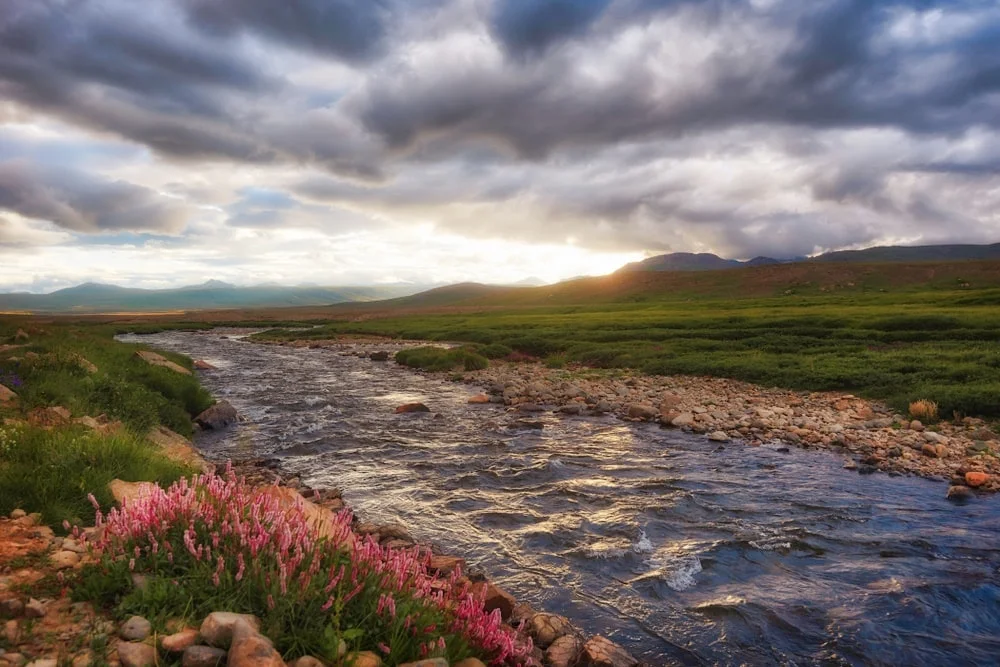
Deosai is a massive mountainous plateau in Skardu Valley, referred to as the “Roof of The World.” It is protected under the Deosai National Park, which is managed by the Pakistan Army and the Pakistan Government and lies at an altitude of 4,114m above sea level. Deosai is the second-highest plateau in the world, spread over 3,000 sq km. The word Deosai means “The Land of Giants” because of the monstrosity it offers. Deosai connects Skardu with Astore Valley through the Deosai Road.
This giant land is home to the Himalayan Brown Bears, Siberian Ibex, Snow Leopard, Kashmir Musk Deer, Himalayan wolf, Himalayan Marmot, Trout Fish, and over 124 types of habitant and migratory birds.
Sheosar Lake, Talkhumbo Lake and a few other lakes are on the premises of Deosai. Kala Pani and Bara Pani are two major river crossings in Deosai.
Satpara Lake
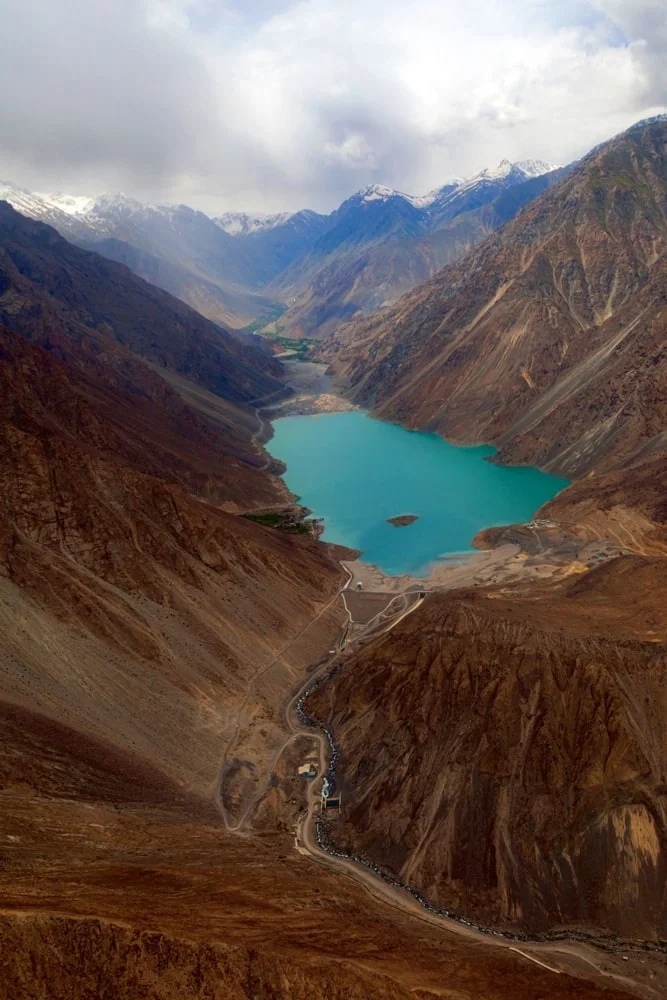
Satpara (or Sadpara) Lake is a natural glacial lake. It is located at the beginning of the Skardu-Deosai road, surrounded by rocky mountains, almost 7 km from Skardu City. Satpara Lake is at an altitude of 2,636 meters. Deosai and the surrounding high mountains are tributaries of Satpara Lake. It is nearly 3 kilometers long, which elongated with the construction of the Satpara Dam. Satpara Dam was constructed on the lake and became operational in April 2013 to provide electricity and water to the people of Skardu. The people of Skardu utilize this water for drinking and agricultural purposes.
Sheosar Lake
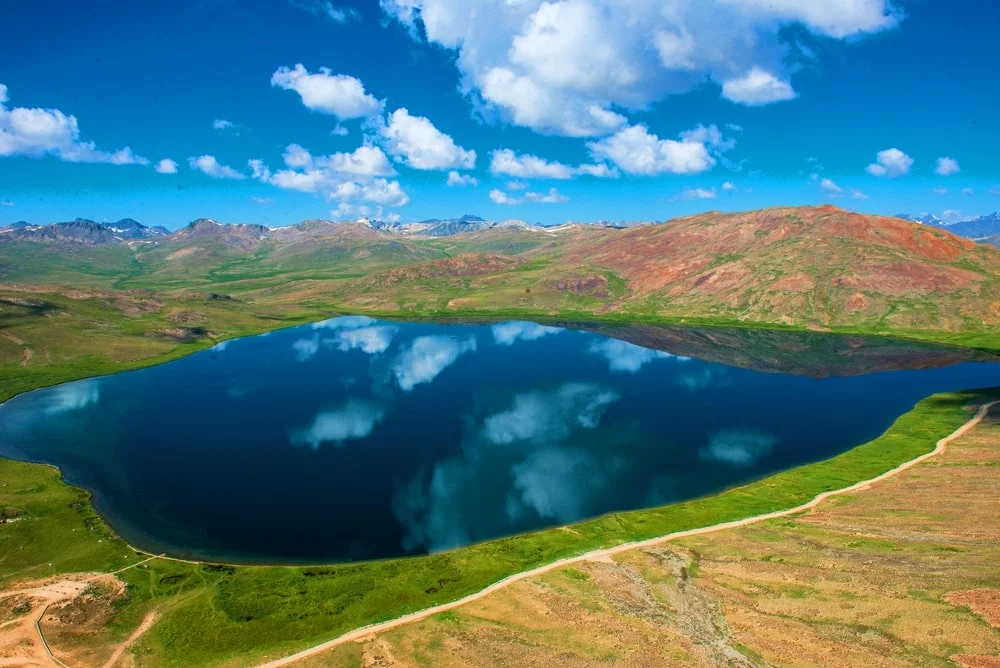
Sheosar Lake is located in the heart of Deosai Plains. Sheosar in an Alpine Lake, fed by the water from the glaciers. This lake is accessible both from the Skardu and the Astore. Due to extreme winters, the lake is accessible only for 5 to 6 months, from May to October or November. Vast bunches of colorful wildflowers surround the lake during the summer and spring. These flowers add to the beauty of the lake. One can also witness the mighty Nanga Parbat on clear days from the lake, like a crown over it.
Most Popular Destinations and Attractions to Visit in Hunza Valley
Karakoram Highway (KKH)
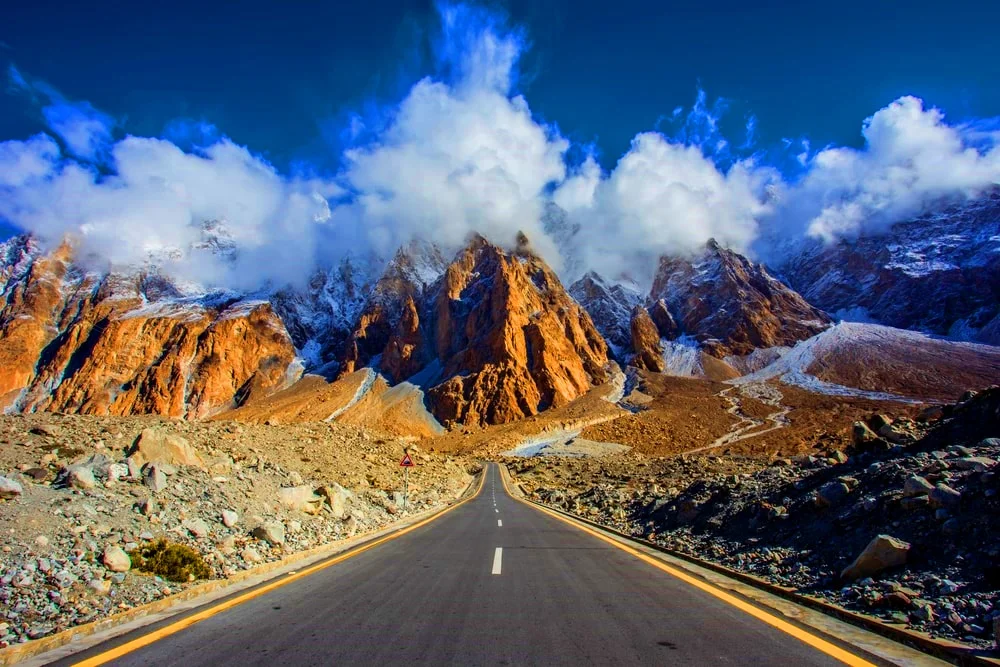
Karakoram Highway (KKH) was built by the governments of Pakistan and China to enhance trade between the countries, and it represents exemplary relations between the two countries. Karakoram Highway is approximately 1300 km long in Pakistan. It crosses through Punjab, Khyber Pakhtunkhwa, and Gilgit Baltistan regions in Pakistan and enters China at Khunjerab Pass, the Pak-China border. This highway is also known as National Highway 35 (or N-35) and becomes China National Highway G314 as it enters China.
Altit Fort
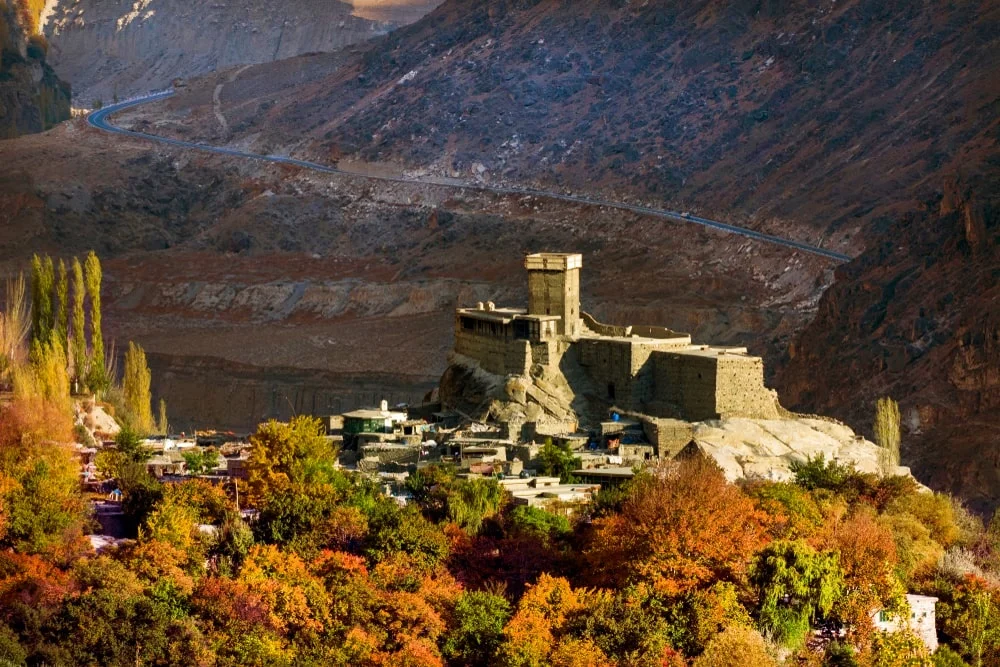
Altit Fort was strategically built atop a massive rock in the old town of Altit Hunza Valley for the Rulers of Hunza (Mirs) Valley. This nearly 1100 years old fort is one of the oldest structures in Gilgit Baltistan. It also has a 200-meter-high watch tower that looked over Hunza Valley and the old Silk Route. The Mirs of Hunza resided in the fort for nearly three centuries. Later, they moved to the newly constructed Baltit Fort. The old Altit Town near the fort has been the residence of people from Central Asia, China, and the surrounding areas throughout the different eras, showcasing the historical significance of this place. It is believed that Alexander The Great came here with his soldiers back in time.
Baltit Fort
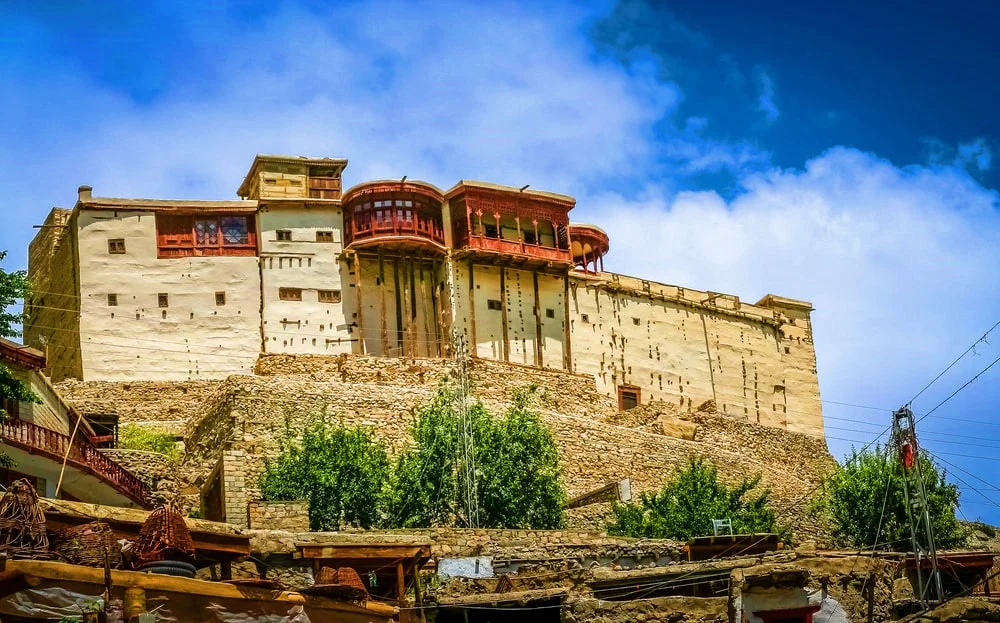
Baltit Fort is an ancient fort in Karimabad Village Hunza Valley, approximately 700 to 800 years old. It is a three-story building structure that resembles the Tibetan construction style. The fort became the residence of Mirs Hunza after they vacated the Altit Fort. It was strategically built at a higher elevation than Altit to serve as a watchtower over the Silk Route to control trade and protect the kingdom from predators or attacks. Baltit Fort provides an extraordinary view of Hunza Valley and the surrounding mountains. The Mir of Hunza left this fort in 1945 and donated it to the Baltit Heritage Trust.
Attabad Lake
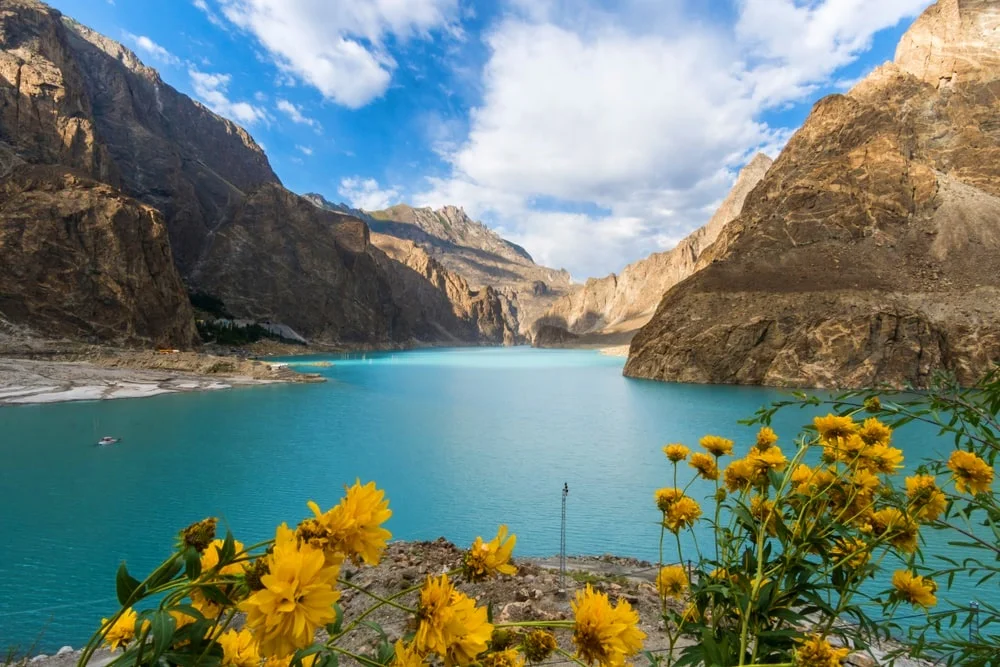
Attabad Lake is a 21 km long glacial lake formed in 2010 due to an earthquake in the area. The quake triggered a massive landslide from the nearby mountains. It was like an entire mountain fell on the villages, killing around 20 people and affecting thousands. This landslide blocked the flow of the Hunza River for over five months, which took the form of a dam submerging towns like Attabad, Shishkat, Ayeenabad, Gulkin, and Gulmit, forming the Attabad Lake. This newly formed lake blocked a massive chunk of Karakoram Highway, putting people’s lives on halt in the upper parts of Hunza.
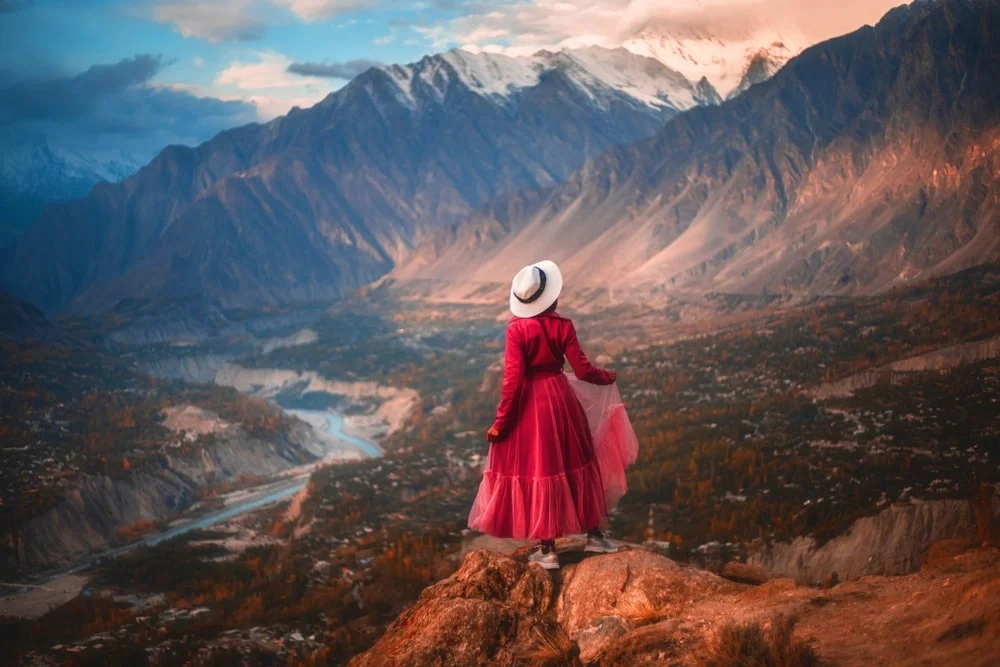
Hunza Valley
Hunza Valley is located in the Gilgit Baltistan province of Pakistan. Hunza is one of the 14 districts of GB neighboring Ghizer, Shigar, and Nagar districts. Hunza is blessed with some sky-kissing heavenly mountains, beautiful lakes, rivers, glaciers, rich history, adventure spots, and amazing people. Hunza Valley shares international borders with China through Khunjerab Pass and Afghanistan through Irshad Pass in Lugpar Valley. The history of Hunza possibly dates back to the era of Alexander the Great, but there are no clear pieces of evidence. Some also relate Hunza to the Huns or Mangols.